Rutrum augue
Aliquam convallis sollicitudin purus. Praesent aliquam, enim at fermentum mollis, ligula massa adipiscing nisl, ac euismod nibh nisl eu lectus. Fusce vulputate sem at sapien. Vivamus leo. Aliquam euismod libero eu enim. Nulla nec felis sed leo placerat imperdiet. Aenean suscipit nulla in justo.
Nulla tincidunt tincidunt mi. Curabitur iaculis, lorem vel rhoncus faucibus, felis magna fermentum augue, et ultricies lacus lorem varius purus. Curabitur eu amet.
Curabitur
iaculis
Curabitur
iaculis
Curabitur
iaculis
Aenean ut orci vel massa suscipit pulvinar.
Nulla sollicitudin
Morbi vel erat non mauris convallis vehicula. Nulla et sapien. Integer tortor tellus, aliquam faucibus, convallis id, congue eu, quam.
Nulla sollicitudin
Morbi vel erat non mauris convallis vehicula. Nulla et sapien. Integer tortor tellus, aliquam faucibus, convallis id, congue eu, quam.
Nulla sollicitudin
Morbi vel erat non mauris convallis vehicula. Nulla et sapien. Integer tortor tellus, aliquam faucibus, convallis id, congue eu, quam.
Nulla sollicitudin
Morbi vel erat non mauris convallis vehicula. Nulla et sapien. Integer tortor tellus, aliquam faucibus, convallis id, congue eu, quam.
Mauris ullamcorper
Mauris ullamcorper
Mauris ullamcorper
Mauris ullamcorper
Mauris ullamcorper
Curabitur
Aliquam euismod
SuspendisseAliquam euismod
SuspendisseAliquam euismod
SuspendisseAliquam euismod
SuspendisseAliquam euismod
SuspendisseAliquam euismod
SuspendisseNulla sollicitudin
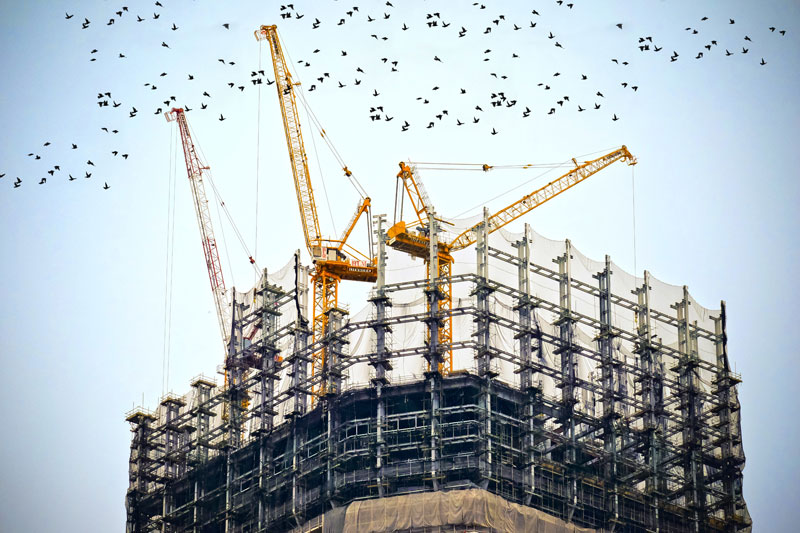
Praesent aliquam enim at fermentum mollis
Vivamus leo. Aliquam euismod libero eu enim. Nulla nec felis sed leo placerat imperdiet. Aenean suscipit nulla in justo.
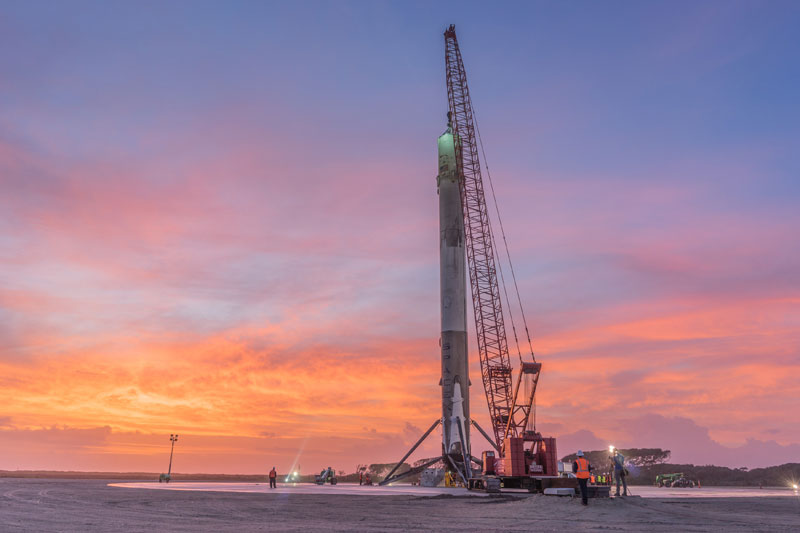
Praesent aliquam enim at fermentum mollis
Vivamus leo. Aliquam euismod libero eu enim. Nulla nec felis sed leo placerat imperdiet. Aenean suscipit nulla in justo.
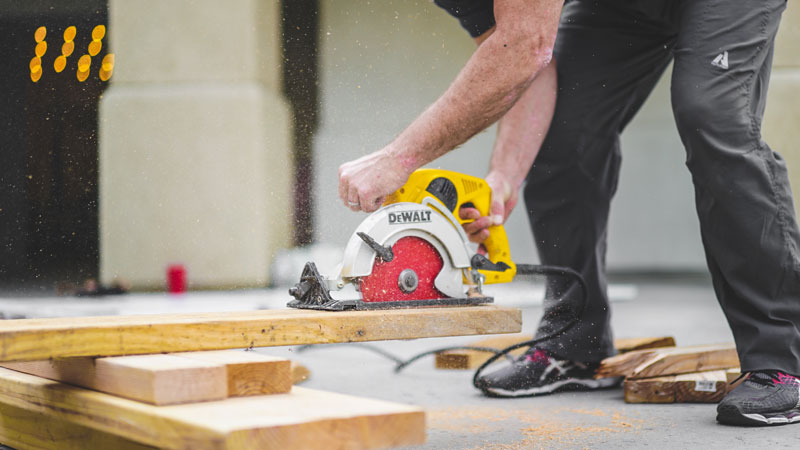
Praesent aliquam enim at fermentum mollis
Vivamus leo. Aliquam euismod libero eu enim. Nulla nec felis sed leo placerat imperdiet. Aenean suscipit nulla in justo.
Aliquam euismod libero
Vivamus leo. Aliquam euismod libero eu enim. Nulla nec felis sed leo placerat imperdiet. Aenean suscipit nulla in justo.